PillsDrop Your Medications, Delivered with Care

PillsDrop

Your Medications, Delivered with Care

Latest Articles

When Your Insurer Quietly Rewrites Your Prescription: Understanding Formulary Switches and How to Challenge Them
Patient Education

When Your Insurer Quietly Rewrites Your Prescription: Understanding Formulary Switches and How to Challenge Them

Mid-year insurance formulary changes can abruptly alter the medications patients have been successfully taking for months or years—often without meaningful advance notice. Patients have more rights in these situations than most insurers are inclined to advertise, and a clear understanding of the appeals process can restore access to the medications that actually work.

Does Your Medicine Still Work? The Science of Drug Degradation and What It Means for Your Health
Home Health & Safety

Does Your Medicine Still Work? The Science of Drug Degradation and What It Means for Your Health

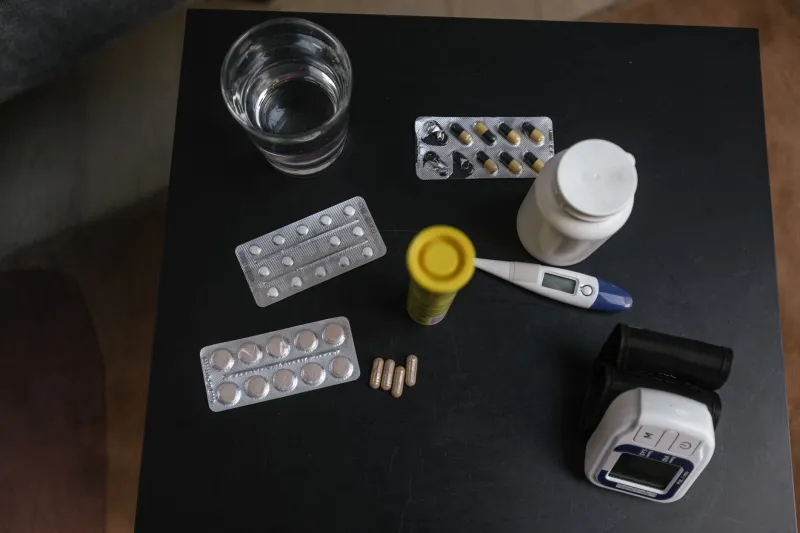
Most patients assume that a medication sitting in their cabinet is doing its job—but pharmaceutical chemistry tells a more complicated story. Temperature swings, humidity, and time all quietly erode drug potency in ways that produce no visible warning signs, potentially leaving patients undertreated without ever knowing why.

Lost in Transit: Mapping the Hidden Gaps That Delay Your Prescription—and How to Move It Forward
Patient Education

Lost in Transit: Mapping the Hidden Gaps That Delay Your Prescription—and How to Move It Forward

Every year, millions of Americans experience the maddening limbo between receiving a prescription and actually holding their medication. Understanding precisely where that process breaks down—and knowing the right words to say when it does—can mean the difference between a same-day fill and a week-long wait.

Cutting Your Medication Costs Without Cutting Corners: Strategies Your Insurer Is Unlikely to Volunteer
Patient Education

Cutting Your Medication Costs Without Cutting Corners: Strategies Your Insurer Is Unlikely to Volunteer

Prescription drug costs in the United States remain among the highest in the developed world, but a significant portion of that burden is avoidable with the right knowledge. From manufacturer patient assistance programs to strategic refill timing around your deductible calendar, there are legitimate tools most patients never use — simply because no one tells them about. This guide walks through the most effective strategies for reducing what you actually pay at the pharmacy counter.

When Convenience Becomes Costly: A Critical Look at Auto-Refill Programs and How to Take Back Control
Home Health & Safety

When Convenience Becomes Costly: A Critical Look at Auto-Refill Programs and How to Take Back Control

Auto-refill programs are sold as a convenience feature, and for many patients they genuinely are. But for others, they quietly become a source of medication accumulation, wasted spending, and safety risk — particularly when dosages change or treatments are discontinued. This article examines the mechanics of automatic refill systems, the conditions under which they cause harm, and the practical steps patients can take to audit and recalibrate their own refill patterns.

Pharmacy Deserts Are Spreading Across Rural America — Here Is What Patients Can Do Right Now
Patient Education

Pharmacy Deserts Are Spreading Across Rural America — Here Is What Patients Can Do Right Now

Hundreds of independent and chain pharmacies have shuttered in small towns and underserved communities over the past decade, leaving millions of Americans with no reliable way to fill a prescription. Delivery pharmacy models are stepping in to fill part of that void — but the solution is more complicated than it first appears. This piece examines what is actually happening on the ground and what options remain for patients navigating a shrinking pharmaceutical landscape.

The Quiet Drain on Your Wallet: How Medication Waste Accumulates—and How Smarter Delivery Can Help Reverse It
Home Health & Safety

The Quiet Drain on Your Wallet: How Medication Waste Accumulates—and How Smarter Delivery Can Help Reverse It

Americans discard billions of dollars worth of unused medications every year, a problem that quietly compounds in medicine cabinets across the country. Expired pills and abandoned prescriptions represent not only a financial loss but a disposal challenge with real environmental consequences. Modern pharmacy delivery services are uniquely positioned to reduce this waste through more precise dispensing, smarter refill management, and closer patient engagement.

The Hidden Drug Interactions Hiding in Plain Sight: What Your Insurance Portal Will Never Tell You About Supplements
Patient Education

The Hidden Drug Interactions Hiding in Plain Sight: What Your Insurance Portal Will Never Tell You About Supplements

Millions of Americans take herbal supplements, vitamins, and over-the-counter products alongside their prescription medications without realizing the combinations can be dangerous. Insurance systems and automated pharmacy checks are not designed to catch these interactions—leaving patients to navigate a blind spot in their own care. Understanding which products pose the greatest risk, and what to disclose before your next delivery, could make a meaningful difference in your health outcomes.

Why Your Bathroom Is the Worst Place to Store Your Medications — and What to Do Instead
Home Health & Safety

Why Your Bathroom Is the Worst Place to Store Your Medications — and What to Do Instead

The bathroom medicine cabinet has been a household fixture for generations, but it may be quietly undermining the effectiveness of the medications stored inside it. Heat, humidity, and light exposure can degrade drug potency well before the printed expiration date, leaving patients with treatments that no longer perform as intended.

Are Your Refills Costing You More Than They Should? A Closer Look at the Pharmacy Billing Cycle
Patient Education

Are Your Refills Costing You More Than They Should? A Closer Look at the Pharmacy Billing Cycle

Automatic refills, insurance timing gaps, and poorly tracked billing cycles can quietly drain your budget month after month. Understanding exactly how pharmacy reorder systems work — and where the overcharges hide — is the first step toward taking control of what you actually pay for your medications.

What Patients Don't Tell Their Pharmacists — And Why the Cost of That Silence Is Higher Than You'd Expect
Patient Education

What Patients Don't Tell Their Pharmacists — And Why the Cost of That Silence Is Higher Than You'd Expect

Millions of Americans experience troubling reactions to their medications every year and say nothing about it. Understanding why patients stay silent — and what a proactive pharmacy relationship can do to change that — may be one of the most consequential conversations in modern healthcare.

Timing Is Everything: A Practical Guide to When — Not Just Whether — You Take Your Medications
Home Health & Safety

Timing Is Everything: A Practical Guide to When — Not Just Whether — You Take Your Medications

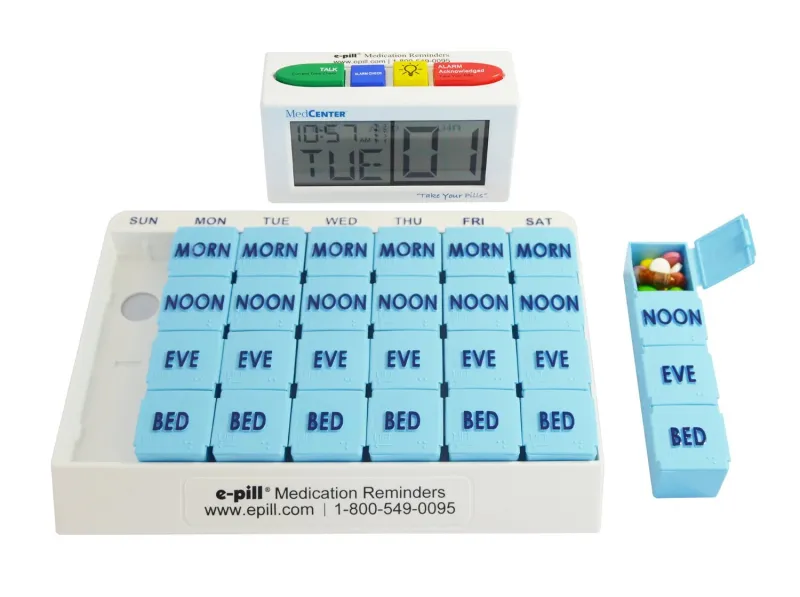
Most people focus on remembering to take their medications. Far fewer consider whether the time of day, proximity to meals, or spacing between doses might be quietly undermining their treatment. The science of medication timing is more precise — and more actionable — than most patients realize.

How Your Delivery Pharmacy Catches the Drug Combinations Your Doctor May Have Missed
Patient Education

How Your Delivery Pharmacy Catches the Drug Combinations Your Doctor May Have Missed

Modern pharmacy delivery services run sophisticated interaction-screening software every time a new prescription enters the system — a layer of protection that many patients don't realize exists. As healthcare becomes increasingly fragmented across multiple specialists and telehealth providers, that automated checkpoint may be the last line of defense between a patient and a dangerous drug combination. Here is what that process looks like, and what you should ask before your next shipment arrive

Brand Name vs. Generic: The Science Behind the Switch and When to Question It
Home Health & Safety

Brand Name vs. Generic: The Science Behind the Switch and When to Question It

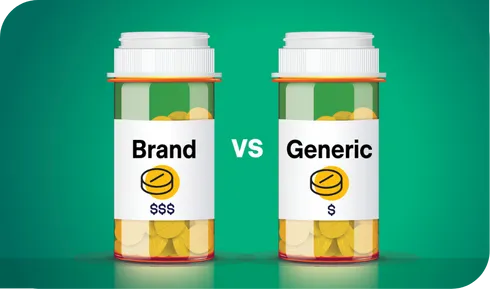
When a pharmacy substitutes a generic medication for a brand-name prescription, most patients accept the change without a second thought — or resist it without a clear reason. The truth lies somewhere more nuanced: FDA-approved generics are rigorously tested for equivalence, yet a small subset of patients and medications warrant a closer look before making the switch. This guide explains the science, the exceptions, and how to have an informed conversation with your pharmacy.

Home Health & Safety

When the Label Gets It Wrong: How Pharmacy Packaging Errors Put Patients at Risk

Medication labeling mistakes are far more common than most patients realize, and the consequences range from missed doses to life-threatening drug interactions. Understanding what to look for on your prescription bottle — and what to demand from your pharmacy — could be one of the most important health decisions you make. Here is what every patient should know before their next refill.

Telehealth or the Doctor's Office? A Practical Guide to Getting Your Prescription Without the Runaround
Patient Education

Telehealth or the Doctor's Office? A Practical Guide to Getting Your Prescription Without the Runaround

Choosing between a virtual doctor visit and an in-person appointment can mean the difference between a prescription in your inbox by afternoon and a week-long wait at the clinic. This guide breaks down exactly when each option makes sense, how insurance coverage differs, and how medication delivery services fit into both pathways. Whether you are managing a routine refill or navigating a new diagnosis, here is how to get the right prescription as efficiently as possible.

Your Medicine Cabinet Is Probably a Safety Hazard — Here's How to Fix It Before Summer
Home Health & Safety

Your Medicine Cabinet Is Probably a Safety Hazard — Here's How to Fix It Before Summer

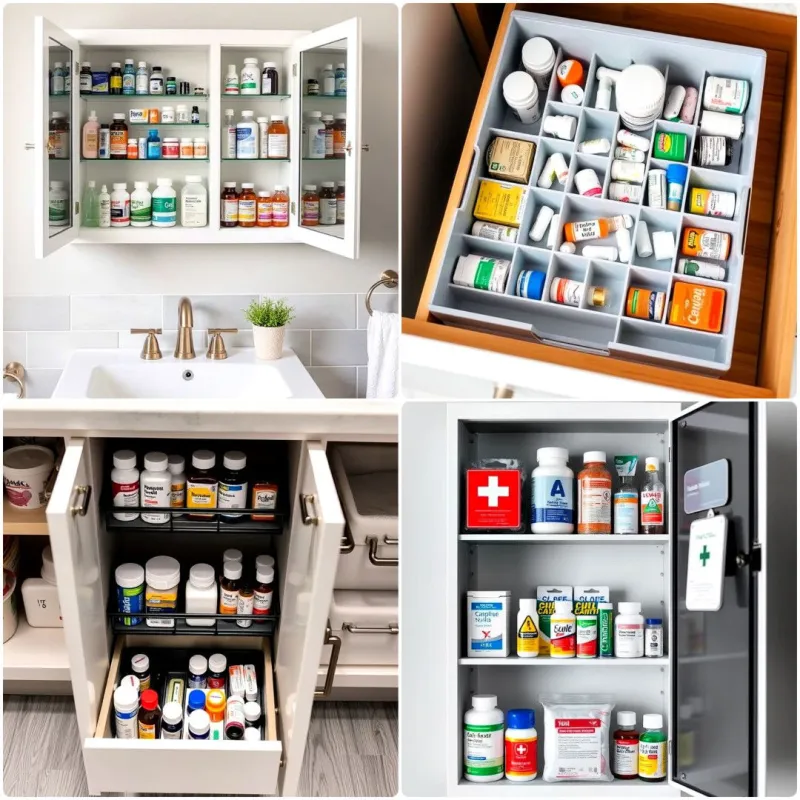
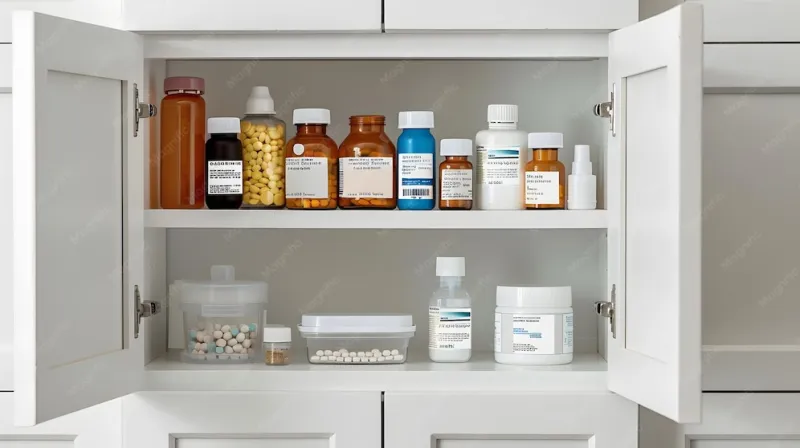
Most American households contain expired medications, improperly stored prescriptions, and forgotten drugs that pose real risks to everyone in the home. A seasonal audit of your medicine cabinet takes less than an hour and could prevent accidental poisoning, dangerous drug interactions, and degraded medications that no longer work as intended. Follow this pharmacist-reviewed checklist to get your household pharmacy organized, safe, and compliant with current FDA disposal guidelines.

Why Half of Americans Never Finish Their Prescriptions — And What Actually Works to Change That
Patient Education

Why Half of Americans Never Finish Their Prescriptions — And What Actually Works to Change That

Medication non-adherence affects nearly 50% of Americans with chronic conditions, contributing to an estimated $300 billion in avoidable healthcare costs each year. Understanding the real reasons people skip doses — from financial strain to simple forgetfulness — is the first step toward lasting change. This guide breaks down the barriers and offers practical, evidence-based solutions for staying on track with your prescriptions.