When the Storm Hits, Your Prescription Plan Is Already Behind
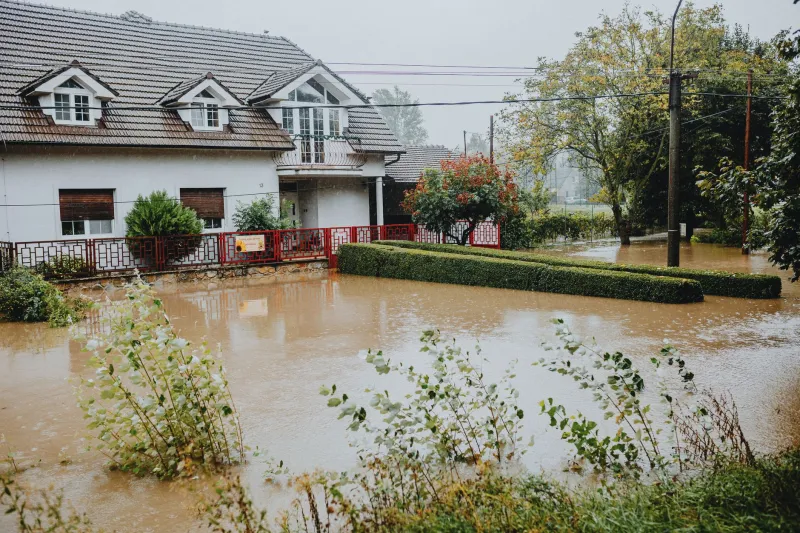
In September 2022, as Hurricane Ian made landfall on Florida's southwest coast, pharmacies across Lee and Charlotte counties were among the first businesses to shutter. Patients with diabetes, heart conditions, and psychiatric diagnoses found themselves stranded—not by floodwaters alone, but by a pharmacy infrastructure that had no meaningful contingency for the scenario unfolding around them.
Their experiences were not exceptional. They were a preview.
Across the United States, natural disasters have become more frequent and more severe. Hurricanes, wildfires, ice storms, and flooding events now regularly displace communities for days or weeks at a time. And every time they do, the same crisis repeats: patients who depend on daily medications discover that their pharmacy plan—whatever it was—was never designed for this.
The Structural Fragility of Traditional Pharmacy Logistics
The American retail pharmacy system is built around physical proximity. You go to the store; the store has your medication. That model functions adequately under normal conditions. Under disaster conditions, it collapses almost immediately.
Consider what has to remain intact for a traditional pharmacy to dispense your medication: the building must be accessible, the power must be on, the computer systems must be functional, the staff must be present, and the local supply chain—trucks, distribution centers, delivery routes—must be operating. Remove any single one of those conditions, and the transaction fails.
Natural disasters routinely remove all of them simultaneously.
In the aftermath of Hurricane Harvey in 2017, researchers documented widespread medication access failures across the Houston metro area. Patients on anticoagulants, antiepileptics, and insulin reported gaps of multiple days without their medications. Some improvised. Some went to emergency rooms. Some experienced serious adverse health events that were entirely preventable.
Mail-Order and Delivery Pharmacies: A Partial Solution With Real Limits
On the surface, home delivery pharmacies seem positioned to solve the disaster access problem. If your medications arrive at your door rather than requiring you to travel to a storefront, surely a storm that closes roads is less of an obstacle?
The reality is more complicated, and it is important that we at PillsDrop are honest about where the limitations lie.
Delivery pharmacies face their own set of disaster vulnerabilities. Carrier networks—USPS, UPS, FedEx—suspend or severely curtail service to affected ZIP codes during active emergencies. Distribution centers located in disaster zones may themselves be inaccessible. Temperature-sensitive medications that require cold-chain shipping face particular risk when power outages disrupt both the shipping infrastructure and the patient's ability to refrigerate the product upon arrival.
Furthermore, if a patient has evacuated their home, deliveries to a now-empty address solve nothing.
None of this means delivery pharmacies offer no advantage in disaster scenarios. They offer meaningful ones—particularly for patients who plan ahead. But those advantages require deliberate preparation, not passive reliance on a system that, under normal conditions, runs itself.
The Questions You Should Be Asking Right Now
Disaster preparedness for medication access is not a topic most pharmacies raise proactively. It should be. Here are the questions every patient—particularly those in hurricane-prone, flood-risk, or wildfire-adjacent regions—should be asking their pharmacy before the next emergency:
Can I maintain a 90-day supply rather than a 30-day supply? Many insurance plans permit 90-day fills for maintenance medications, and some specifically expand this flexibility for patients in declared disaster areas. A 90-day supply provides a meaningful buffer when supply chains are disrupted.
Does my pharmacy have an emergency dispensing protocol? Some states have enacted emergency prescription laws that allow pharmacists to dispense limited quantities of certain medications without a current prescription during declared emergencies. Knowing whether your pharmacy participates in these programs—and which medications are covered—can be critical information.
What happens if my delivery address becomes inaccessible? If you use a delivery pharmacy, ask specifically about their policy for rerouting shipments to a temporary address. Understand how much lead time they require to make that change, and whether it can be done after a shipment has already left the facility.
Are any of my medications temperature-sensitive? Insulin, certain biologics, and some liquid formulations require refrigeration. Understand the safe temperature range for each of your medications and what to do if that range is exceeded—because in a multi-day power outage, it will be.
Does my insurer offer emergency overrides for early refills? Most major insurers have disaster protocols that allow early refills when a federal or state emergency is declared. Document how to invoke that process before you need it.
What a Prepared Delivery Pharmacy Should Offer
For patients who rely on home delivery services, disaster preparedness is a feature that should be explicitly built into the service—not an afterthought. At PillsDrop, we believe that responsible pharmaceutical care means thinking beyond the standard delivery window.
A well-prepared delivery pharmacy should be able to:
- Proactively notify patients in disaster-affected ZIP codes about potential shipping delays and offer early fill options before service is disrupted
- Maintain flexible address routing that can be updated quickly as patients evacuate or relocate
- Provide clear guidance on which medications can safely tolerate temperature excursions and for how long
- Offer pharmacist consultations specifically oriented toward disaster preparedness, including guidance on emergency supply quantities
- Coordinate with prescribers to ensure that emergency supply requests are handled efficiently
These are not luxury features. For a patient on seizure medication or an immunosuppressant, they are the difference between safety and a medical crisis.
Building Your Personal Medication Emergency Plan
Regardless of which pharmacy you use, the most important step you can take is to build a personal medication emergency plan before you need one. That plan should include:
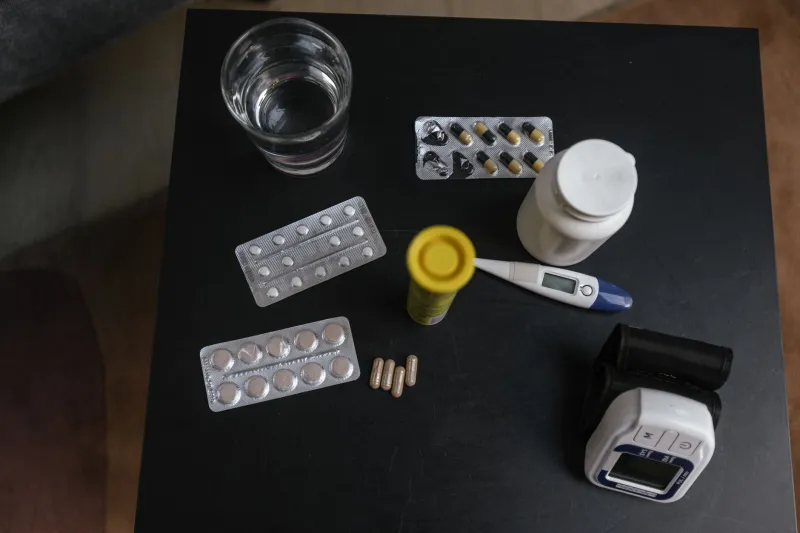
- A written list of all current medications, dosages, prescribing physicians, and pharmacy contact information stored somewhere other than your phone
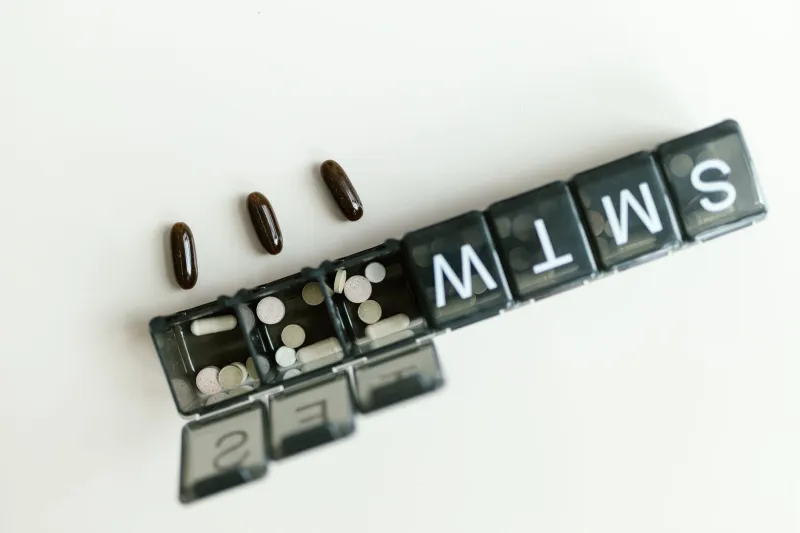
- A small physical emergency supply, separate from your regular medication supply, that you do not draw from under normal circumstances
- Knowledge of the nearest out-of-area pharmacy or urgent care facility you could access if evacuated
- Your insurance card and member ID stored in your emergency go-bag
Natural disasters are, by definition, disruptive. But the medication access failures they produce are not inevitable—they are the product of inadequate planning at both the individual and systemic level. The time to address that gap is now, while the skies are clear.