Does Your Medicine Still Work? The Science of Drug Degradation and What It Means for Your Health
There is a particular kind of medical frustration that is difficult to name: the sense that your medication simply isn't doing what it used to. Your blood pressure readings are creeping upward again. Your anxiety feels less controlled. Your allergy symptoms are breaking through. Before assuming that your condition has changed, it is worth asking a question that most patients never think to ask: Is the drug still working at full strength?
Pharmaceutical degradation—the process by which medications lose potency over time—is a well-documented phenomenon in clinical pharmacology. What is less well understood is how dramatically common household storage conditions accelerate this process, and how silently it occurs.
The Chemistry of Deterioration
All medications are composed of active pharmaceutical ingredients (APIs) that are chemically stable within a defined set of conditions. Manufacturers establish expiration dates by testing how long a drug maintains at least 90 percent of its labeled potency under controlled storage conditions—typically 68 to 77 degrees Fahrenheit with controlled humidity.
The problem is that almost no American home replicates those conditions consistently.
Temperature fluctuations cause molecular stress in APIs. Heat accelerates oxidation reactions that break down active compounds. Humidity introduces water molecules that can trigger hydrolysis—a chemical reaction that degrades many drug classes, including antibiotics, certain antidepressants, and some antihypertensives. Light exposure, particularly ultraviolet light, can disrupt the molecular structure of photosensitive medications.
These processes do not produce visible changes in most cases. A tablet that has lost 30 percent of its potency looks identical to one at full strength. There is no smell, no discoloration, no obvious sign that anything has changed. The degradation is entirely invisible to the patient.
The Drug Classes Most Vulnerable to Storage Degradation
Not all medications degrade at the same rate or in response to the same conditions. Some drug classes are notably more susceptible:
Nitroglycerin is perhaps the most well-known example. The medication, used to treat angina, degrades rapidly when exposed to heat, light, or air. Even the friction from opening a conventional pill bottle can accelerate its breakdown. Patients who store nitroglycerin in a warm car or a bathroom cabinet may be carrying medication that provides substantially less relief than they expect during a cardiac event.
Liquid antibiotics, particularly those reconstituted from powder, have extremely short stability windows—often just 10 to 14 days under refrigeration. A partially used course stored beyond that window may not achieve the concentration needed to eliminate an infection.
Insulin and other biologics are highly sensitive to temperature. Insulin that has been frozen or exposed to temperatures above 86 degrees Fahrenheit can lose significant potency, a fact with serious implications for diabetic patients who may not realize their dosing has become unreliable.
Tetracycline antibiotics, when degraded, do not simply become less effective—they can produce compounds that are potentially harmful to kidney function.
Topical medications, including certain creams and ointments, can separate or oxidize in ways that alter their absorption characteristics, reducing their therapeutic effect even when the formulation appears unchanged.
Recognizing When Degradation May Be a Factor
Because degraded medications do not announce themselves, patients must learn to look for indirect signs:
- Unexplained loss of therapeutic effect in a medication that previously worked well, without any change in diagnosis or dosage, warrants a conversation with your pharmacist about storage conditions and medication age.
- Tablets that are crumbling, sticking together, or developing unusual odors are showing visible signs of physical breakdown, even if the full extent of chemical degradation is not apparent.
- Capsules that have become soft or misshapen may have been exposed to moisture sufficient to compromise their contents.
- Any liquid medication that has changed color, developed particulate matter, or separated in a way that does not resolve with gentle shaking should be considered compromised.
If you notice any of these signs, do not attempt to compensate by taking a larger dose. Contact your pharmacist or prescribing physician before making any adjustments.
Why Delivery Timing and Storage Practices Matter
One of the structural advantages of a medication delivery service is control over the supply chain conditions that most directly affect potency. When PillsDrop ships a medication, it departs from a climate-controlled dispensing facility, is packaged to minimize temperature excursion during transit, and arrives as a current fill rather than a supply that has been sitting on a retail shelf for an indeterminate period.
This matters more than it might initially appear. Retail pharmacy inventory turnover varies significantly. A medication purchased from a high-volume urban pharmacy may have been dispensed within weeks of its manufacture. The same drug at a lower-volume rural location may have sat in warehouse or shelf storage for considerably longer—still within its expiration date, but potentially closer to the threshold of meaningful degradation.
Regular delivery also reduces the tendency to stockpile medications—a practice that dramatically increases the likelihood that patients are taking drugs that have been stored at home for extended periods under suboptimal conditions.
Practical Steps for Protecting Medication Potency at Home
Until your next shipment arrives, there are meaningful steps you can take to protect what you have:
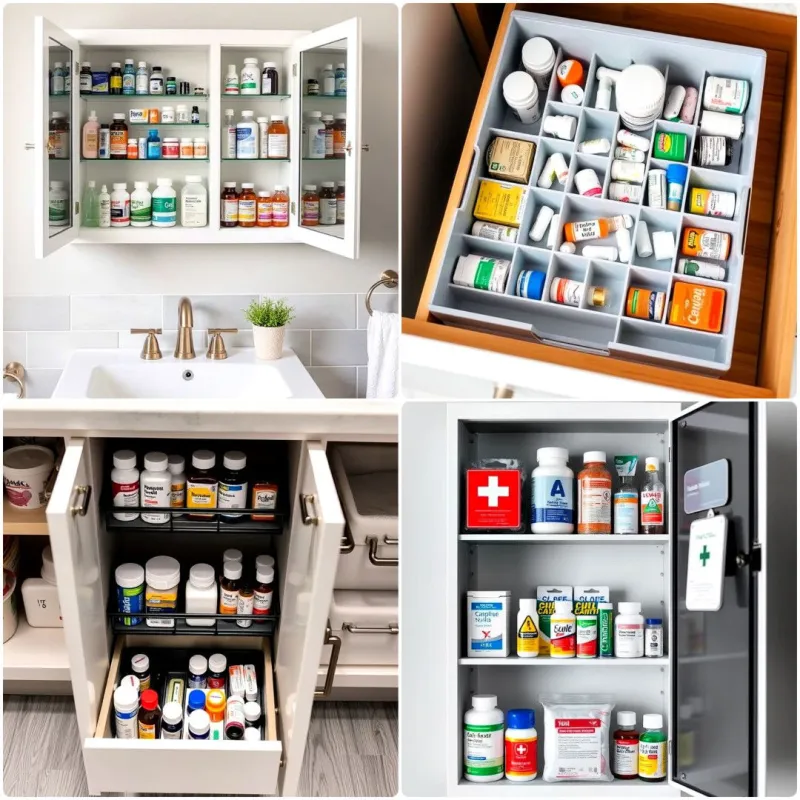
- Relocate medications away from the bathroom and kitchen. Both rooms experience humidity and temperature spikes that exceed safe storage ranges. A bedroom drawer or a dedicated storage box in a cool, dry closet is significantly better.
- Keep medications in their original containers. Manufacturer packaging is designed to provide a degree of protection against light and moisture. Pill organizers, while convenient, offer none of these protections.
- Do not store medications in a car, even temporarily. Vehicle interiors can reach temperatures well above 100 degrees Fahrenheit in summer months—conditions that can accelerate degradation within hours.
- Check expiration dates at each refill. If you are picking up a new supply before your previous one is finished, note the expiration date on both and use the earlier-expiring supply first.
The relationship between storage conditions and medication effectiveness is not a minor footnote in pharmaceutical care—it is a clinically meaningful variable that directly affects patient outcomes. Treating it as such is one of the simplest ways to ensure that the medications you take are actually doing their job.