Why Your Bathroom Is the Worst Place to Store Your Medications — and What to Do Instead
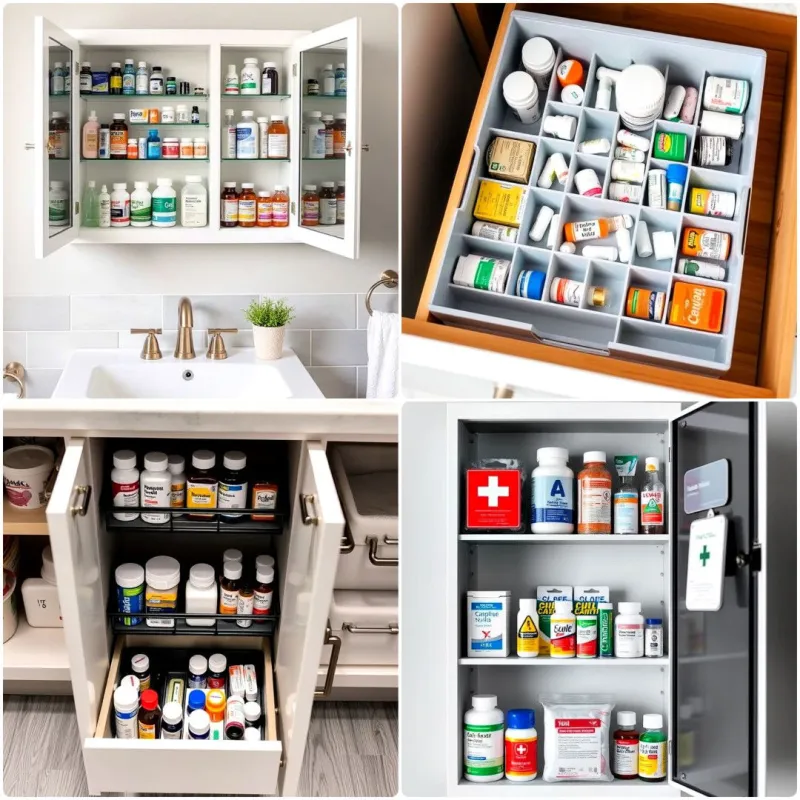
Photo: medication storage box on bedroom dresser away from bathroom humidity, via images.plusmood.com
There is something deeply counterintuitive about the phrase "medicine cabinet" when the cabinet in question is mounted above a bathroom sink. The name implies safety and organization. The location, however, is among the most pharmacologically hostile environments in the average American home. Steam from showers, temperature swings between morning and evening, and the near-constant presence of moisture create conditions that can silently compromise medication potency long before the expiration date printed on the label becomes relevant.
At PillsDrop, we deliver medications with care — and that responsibility does not end at your front door. How medications are stored after delivery matters as much as how they were handled before it.
What "Expiration Date" Actually Means
The expiration date on a prescription bottle is not a cliff edge beyond which a medication becomes immediately dangerous. It is, more precisely, a manufacturer's guarantee: the drug will maintain at least 90 percent of its labeled potency under recommended storage conditions through that date. The critical phrase is "under recommended storage conditions."
Those recommended conditions are typically defined as storage at controlled room temperature — generally between 68 and 77 degrees Fahrenheit — in a dry environment, away from direct light. When those conditions are not met, potency degradation can begin well in advance of the printed date. A medication stored in a humid bathroom at fluctuating temperatures may lose meaningful effectiveness months before it is officially "expired."
This distinction matters because patients who experience reduced treatment effectiveness often attribute it to the medication itself — or to their condition worsening — rather than to the storage environment. The result can be unnecessary dose increases, additional prescriptions, or diagnostic workups that might have been avoided entirely.
The Bathroom: A Room-by-Room Analysis
The bathroom presents three distinct threats to medication stability: heat, humidity, and light.
Heat accelerates the chemical reactions that break down active pharmaceutical ingredients. Shower steam can raise bathroom temperatures significantly above baseline room temperature, particularly in poorly ventilated bathrooms. Medications with narrow therapeutic windows — thyroid hormones, certain cardiac medications, some psychiatric drugs — are especially sensitive to thermal degradation.
Humidity is perhaps the more insidious threat. Moisture can penetrate tablet coatings, cause capsules to soften or fuse, and trigger hydrolysis reactions that alter a drug's chemical structure. Nitroglycerin tablets, a common cardiac emergency medication, are well-documented to degrade rapidly in humid conditions. Aspirin, which is far more common in household medicine cabinets, breaks down into acetic acid and salicylic acid when exposed to moisture — a process that produces the faint vinegar odor that signals a compromised product.
Light exposure, particularly ultraviolet light, can catalyze oxidation reactions in photosensitive compounds. Many liquid medications, as well as certain antibiotics and cardiovascular drugs, carry specific warnings about light exposure for this reason. A bathroom with a window — or even one with bright overhead lighting and translucent storage containers — may be exposing medications to more light than is ideal.
Other Problematic Storage Locations
The bathroom is the most commonly cited storage mistake, but it is not the only one.
The kitchen presents similar humidity risks near the stove or dishwasher, and the temperature fluctuations associated with cooking can affect medications stored in nearby drawers or on countertops.
The glove compartment of a vehicle is a particularly problematic location for medications that patients keep on hand for convenience. Summer temperatures inside a parked car can exceed 130 degrees Fahrenheit — conditions that can render certain medications ineffective within hours.
Windowsills, while sometimes used for visibility, expose medications to direct sunlight and temperature variation that closely tracks outdoor conditions rather than indoor climate control.
Where Medications Should Actually Be Stored
The ideal storage location for most oral medications is a cool, dry, dark space with relatively stable temperature. In most American homes, this points toward a bedroom dresser drawer, a linen closet shelf, or a dedicated storage box kept in a climate-controlled interior room.
For medications requiring refrigeration — certain insulins, some liquid antibiotics, specific biologics — the refrigerator is appropriate, but not the freezer unless explicitly instructed, and not the door shelves, which experience the greatest temperature fluctuation with each opening.
A small, opaque storage container with a secure lid, kept in a consistent interior location, meets the basic requirements for most medications without requiring any specialized equipment.
A Practical Home Audit Checklist
The following checklist is designed to help patients evaluate their current storage practices and identify areas for improvement.
- Bathroom cabinet: Remove all prescription and over-the-counter medications. Relocate to a dry, interior room. Reserve the bathroom cabinet for non-pharmaceutical items such as bandages and topical first aid supplies.
- Kitchen: Check drawers and cabinets within proximity of the stove, sink, or dishwasher. Any medications stored in these areas should be relocated.
- Vehicle: Remove any medications stored in the glove compartment or center console, particularly during warm months. If you require a medication to be accessible while away from home, consider an insulated travel case.
- Windowsills and countertops: Clear any medications stored in direct or indirect sunlight.
- Check for visible degradation: Tablets that have changed color, become crumbly, or developed an unusual odor; capsules that have softened or stuck together; liquids that have separated or changed color — all of these are indicators of compromised product that should not be used.
- Verify expiration dates: Even properly stored medications should be reviewed periodically. Expired medications should be disposed of through an FDA-recommended drug take-back program, not flushed or placed in household trash unless specifically directed otherwise.
The Investment Worth Protecting
Prescription medications represent a significant financial and health investment. In many cases, that investment is also a daily commitment to managing a condition that requires consistent, effective treatment. Allowing storage conditions to silently erode that effectiveness is a cost that rarely appears on a bill but is paid nonetheless — in reduced therapeutic outcomes and, potentially, in avoidable medical interventions.
When PillsDrop delivers your medications, they arrive in packaging designed to protect them in transit. What happens after delivery is equally important. A few simple adjustments to where and how medications are kept at home can meaningfully extend their effectiveness and ensure that each dose performs as it was prescribed to.