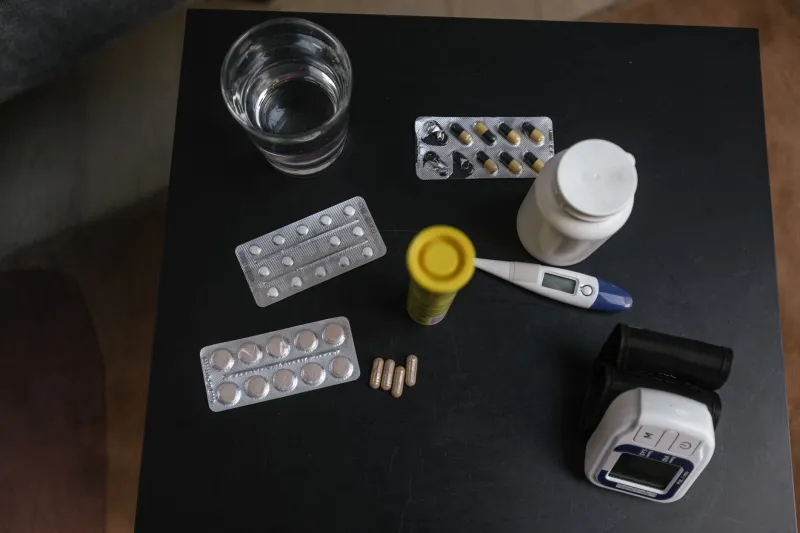
Emergency Preparedness or Prescription Hoarding? Drawing the Line on Your Medication Supply
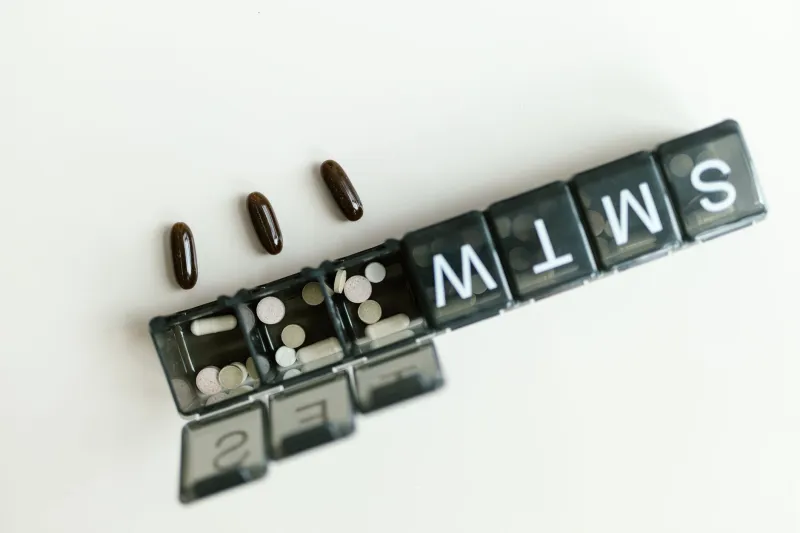
The conversation about medication stockpiling tends to surface in predictable moments: the early days of a pandemic, the week before a major hurricane, or the afternoon a patient discovers a bag of expired pills tucked behind the bathroom mirror. In each case, the instinct is understandable. Medications matter. Running out at the wrong time can be dangerous, even life-threatening.
But the line between prudent preparedness and counterproductive accumulation is less obvious than most patients assume—and crossing it carries real consequences.
Why the Impulse to Stockpile Is Rational
For patients managing chronic conditions, the anxiety behind medication hoarding is not irrational. Supply chain disruptions, insurance coverage gaps, natural disasters, and pharmacy closures are all legitimate threats to continuous medication access. The COVID-19 pandemic made those threats viscerally real for millions of Americans who suddenly found themselves unable to obtain refills they had taken for granted.
Public health guidance generally supports maintaining a modest emergency supply of essential medications. The American Red Cross and FEMA both recommend that households keep at least a one-week supply of prescription medications as part of basic disaster preparedness. For patients in hurricane-prone states like Florida, Louisiana, or Texas, a thirty-day reserve is often cited as a more appropriate benchmark.
That guidance is reasonable. The problem emerges when preparedness logic is applied without limits.
When Smart Stockpiling Becomes a Problem
Medication hoarding—accumulating far more than any realistic emergency scenario would require—introduces a distinct set of risks.
Expiration and potency loss. Every medication has a shelf life. Beyond the expiration date printed on the label, chemical degradation may reduce a drug's effectiveness or, in some cases, alter its properties in ways that create new risks. A stockpile that cannot be rotated and used before expiration is not a safety net—it is waste in slow motion.
Storage failures. Larger quantities of medication require more storage space, and patients often resort to locations that are convenient rather than appropriate. Heat, humidity, and light accelerate degradation. A three-year supply of a temperature-sensitive medication stored in a kitchen cabinet or a bathroom drawer is almost certainly compromised before it is ever needed.
Insurance and refill timing conflicts. Most insurance plans will not authorize early refills beyond a defined window—typically when a patient has used 75 to 80 percent of their current supply. Patients who accumulate stockpiles by filling prescriptions at the earliest permissible moment, every cycle, may find themselves out of sync with their coverage in ways that create unexpected gaps.
Household safety hazards. Large quantities of medications—particularly controlled substances, opioids, and sedatives—represent a meaningful risk to other household members, including children, adolescents, and individuals in recovery. The larger the stockpile, the greater the exposure risk.
A Framework for Responsible Reserves
The goal is not to discourage preparedness. It is to make preparedness functional. A well-managed medication reserve is one that can actually be used when needed, in a condition that makes it effective.
Set a realistic target quantity. For most chronic condition medications, a thirty-day reserve beyond your current supply represents a reasonable preparedness buffer. For patients in areas prone to natural disasters or with documented supply chain vulnerabilities, up to ninety days may be appropriate—but only if storage conditions can support it.
Practice rotation. A stockpile that sits untouched is a stockpile that expires. Treat your reserve like a grocery pantry: use the oldest supply first, refill from the back. This requires deliberate organization but prevents the accumulation of expired medication.
Audit your supply annually. Set a recurring reminder—January 1st, your birthday, a medication anniversary—to review everything in your reserve. Check expiration dates. Discard anything expired or damaged. Assess whether your current quantities still match your actual needs, which may have changed due to dosage adjustments or medication switches.
Store correctly, not just conveniently. The FDA recommends storing most medications at room temperature, away from heat, moisture, and direct light. A bedroom closet or a dedicated lockbox in a cool, dry area is preferable to a bathroom medicine cabinet or a kitchen drawer near the stove. Medications requiring refrigeration should be stored in a dedicated section of the refrigerator, not in the door where temperatures fluctuate.
Dispose of excess supply responsibly. The FDA's drug take-back program, operated in partnership with the DEA, provides authorized collection sites at pharmacies and law enforcement agencies across the country. The DEA maintains an online locator tool at deadiversion.usdoj.gov. For medications that cannot be taken to a collection site, the FDA provides specific guidance on safe at-home disposal methods.
How Delivery Pharmacy Services Can Help
One underappreciated advantage of using a delivery pharmacy for chronic condition medications is the built-in supply management support that many services provide. Automated refill reminders, synchronized fill dates, and delivery scheduling tools reduce the anxiety that drives over-stockpiling in the first place. When patients feel confident that their next supply will arrive reliably and on time, the compulsion to accumulate excessive reserves tends to diminish.
At PillsDrop, our delivery model is designed to make consistent access predictable—not stressful. Patients who know their medications will arrive when needed are better positioned to maintain a sensible, functional emergency reserve rather than an unmanageable accumulation.
The Bottom Line
Responsible preparedness and reckless hoarding are not separated by intention—they are separated by practice. The patient who keeps a carefully rotated, properly stored thirty-day reserve and audits it annually is prepared. The patient who fills every prescription at the earliest possible moment, stores bottles in a bathroom drawer, and never checks expiration dates is accumulating risk, not security.
The distinction matters. Your medications are only as effective as the conditions in which they are kept—and only as useful as your ability to access them when it counts.