What Patients Don't Tell Their Pharmacists — And Why the Cost of That Silence Is Higher Than You'd Expect

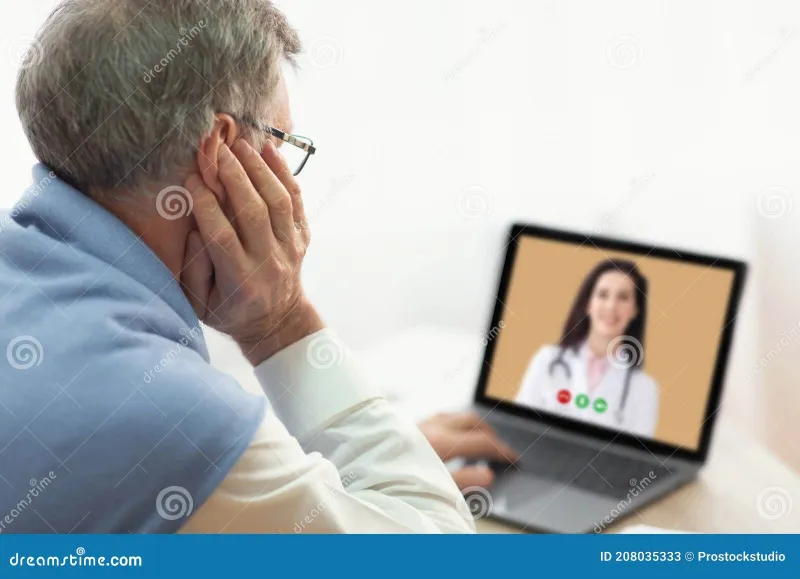
Photo: patient talking to pharmacist about medication side effects consultation, via img.freepik.com
Every day, Americans swallow their morning medications, notice something feels off, and then do nothing about it. Maybe it's a persistent headache that started the week they began a new prescription. Perhaps it's an unusual fatigue, a skin flush, or a stomach that never quite settled. For most patients, these signals get filed under "probably nothing" — and the prescribing physician never hears a word.
This pattern is not a minor gap in the healthcare system. It is a structural failure with measurable consequences, and it is far more common than most people realize.
The Scale of the Problem
According to the U.S. Food and Drug Administration, fewer than 10 percent of adverse drug reactions are ever formally reported. That figure includes both patients and healthcare providers. When you narrow the lens to patients alone — people experiencing side effects at home and deciding whether to mention them at their next appointment — the reporting rate drops even further.
The FDA's MedWatch program, the primary voluntary reporting system for medication safety in the United States, receives a fraction of the adverse event data that experts believe is actually occurring in the population. This is not a failure of design so much as a failure of reach. Most patients have never heard of MedWatch. Many don't know that reporting a side effect is something they are allowed, or even encouraged, to do.
The result is a surveillance gap. Medications that are causing harm in real-world conditions may take years longer to trigger regulatory review than they would if patients were reliably communicating their experiences.
Why Patients Stay Quiet
The reasons for underreporting are layered, and none of them reflect poorly on patients as individuals. They reflect, instead, a healthcare environment that has historically not made it easy — or comfortable — to speak up.
Normalization of discomfort. When a pharmacist or prescriber mentions that a medication "may cause nausea or dizziness," patients often interpret any subsequent nausea or dizziness as expected and therefore not worth reporting. The logic seems sound: I was warned, so this must be normal. In reality, "possible" side effects are not inevitable ones, and their presence, severity, and duration all carry clinical information that physicians need.
Embarrassment and hesitation. Certain side effects — changes in sexual function, bowel irregularities, mood shifts, skin conditions in visible areas — carry enough social discomfort that patients actively avoid discussing them. This is particularly true in brief office visits where patients feel they should prioritize their "most important" concerns.
Assumption of insignificance. Many patients believe that if a symptom were serious, their doctor would have specifically warned them about it. When a new symptom doesn't match the dramatic examples on a package insert, patients may conclude it is too minor to mention. This underestimates how meaningful mild-to-moderate reactions can be in evaluating a medication's overall tolerability.
Practical barriers. Getting a message to a physician outside of a scheduled appointment is genuinely difficult for many Americans. Phone trees, portal navigation, and the uncertainty of whether a nurse callback will happen the same day all create friction that discourages non-urgent communication. For patients managing multiple conditions and multiple medications, that friction compounds quickly.
The Real Consequences of Unreported Reactions
When side effects go unmentioned, several things can happen — none of them good.
First, the prescribing physician may continue a medication that is causing harm, simply because they have no information indicating a problem. Second, patients who are suffering may quietly stop taking their medications without telling anyone, which creates its own set of clinical risks. Third, at a population level, patterns of harm that should trigger safety reviews remain invisible longer than necessary.
There is also the compounding effect to consider. A patient who develops a side effect from one medication and says nothing may later be prescribed an additional drug to address what is actually a medication-induced symptom — a phenomenon sometimes called a prescribing cascade. Without the original adverse reaction on record, neither the patient nor the prescriber has the context to recognize what is happening.
How a Delivery Pharmacy Can Serve as an Early Warning System
This is where the model of a dedicated delivery pharmacy — one that maintains an ongoing relationship with patients rather than simply dispensing medications on demand — offers something genuinely different.
At PillsDrop, the pharmacist relationship does not end when a prescription ships. It continues through structured follow-up touchpoints designed to surface exactly the kind of information that typically falls through the cracks. When a patient begins a new medication, particularly one with a known side effect profile, proactive outreach creates an opportunity for them to mention the headache, the fatigue, or the stomach discomfort they might not have thought to call about.
This approach matters for several reasons. Pharmacists are, by training, medication specialists. They are often better positioned than a primary care physician to recognize a symptom pattern as medication-related rather than as a new health concern. They can advise patients on whether a reaction warrants urgent contact with their prescriber, whether it is likely to resolve with time, or whether it should be formally documented.
Because PillsDrop maintains a complete view of a patient's medication regimen — including over-the-counter products and supplements when patients choose to share them — pharmacists here can also identify when a reported symptom might reflect an interaction rather than a single drug's side effect. That distinction changes the clinical response entirely.
What Patients Can Do Right Now
While systemic improvements in reporting infrastructure take time, individual patients can take several steps to close the gap between their experience and their care team's awareness.
Keep a brief medication journal during the first two to four weeks of any new prescription. Note the date, the symptom, its severity, and how long it lasted. This gives your pharmacist or physician concrete information rather than a vague recollection.
Treat your pharmacist as a first point of contact for medication concerns. They are accessible, knowledgeable, and specifically trained to evaluate drug-related symptoms. At PillsDrop, pharmacist consultations are available to all patients and are designed to be low-barrier — because the goal is to hear from you before a manageable side effect becomes a reason to abandon a treatment that might otherwise be helping.
Finally, resist the assumption that a side effect is too minor to mention. In pharmacovigilance — the science of monitoring drug safety — the most valuable data often comes from patients who reported something they weren't sure was worth reporting.
The Bigger Picture
The gap between what patients experience and what the healthcare system knows about is not inevitable. It is a product of design choices — in how care is delivered, how accessible follow-up is, and how patients are invited (or not invited) to share their experiences. A pharmacy that sees itself as a long-term partner in a patient's health, rather than a transaction point, is one of the most practical tools available for narrowing that gap.
The medications you take every day are powerful. The information you hold about how your body responds to them is equally powerful. At PillsDrop, our role is to make sure that information reaches the people who need it — because your safety depends not just on what gets prescribed, but on what gets heard.