Pharmacy Deserts Are Spreading Across Rural America — Here Is What Patients Can Do Right Now
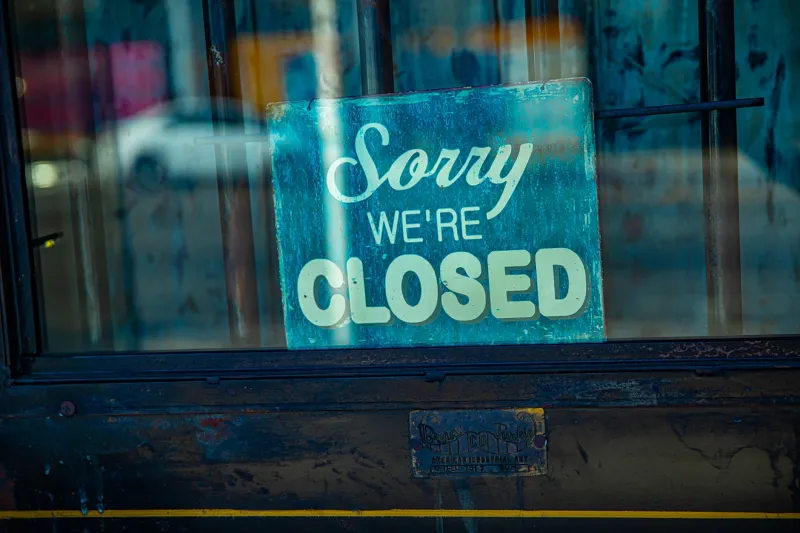
In Hartwell County, Georgia, the last independent pharmacy closed its doors on a Tuesday morning in March. The owner, a third-generation pharmacist, posted a handwritten note on the door thanking his customers. The nearest alternative was now 34 miles away — a distance that, for an elderly diabetic patient without reliable transportation, might as well be 340.
This is not an isolated story. Across the United States, communities are losing pharmacies at an accelerating rate that health policy experts describe as a quiet crisis. The consequences are tangible, measurable, and in some cases, fatal.
The Scale of the Problem
According to data from the National Community Pharmacists Association, more than 1,200 independent pharmacies closed between 2019 and 2023. Rural communities absorbed a disproportionate share of those closures. At the same time, major chains have been consolidating locations in low-margin markets, quietly exiting zip codes where prescription volume cannot offset operational costs.
The result is what public health researchers call a "pharmacy desert" — a geographic area where residents must travel more than 10 miles to reach a licensed pharmacy. The University of Southern California's Schaeffer Center estimates that roughly 13 million Americans now live in such conditions. In some states, particularly across the rural South and Midwest, that figure is considerably higher.
The populations most affected are not evenly distributed. Older adults, patients managing chronic conditions, individuals without personal vehicles, and those on fixed incomes bear the heaviest burden. When a pharmacy closes, these patients do not simply drive somewhere else. Many stop filling prescriptions altogether.
Why Pharmacies Are Closing
Understanding why this is happening requires a brief look at the economics of community pharmacy. Independent pharmacies operate on thin margins, often under 2 percent net profit. A significant portion of their revenue depends on reimbursement rates set by pharmacy benefit managers — the large intermediary companies that negotiate drug pricing on behalf of insurers.
Over the past decade, those reimbursement rates have declined steadily, in some cases dropping below the actual cost of dispensing a medication. A pharmacist filling a generic prescription may receive less from the insurer than the drug itself cost to acquire. When that dynamic persists across hundreds of prescriptions per month, the math becomes unsustainable.
For chain pharmacies, the calculus is different but the outcome is similar. Corporate consolidation, labor costs, and shifting consumer behavior have led companies like Rite Aid — which filed for bankruptcy in 2023 — and Walgreens to close hundreds of locations nationwide. The closures tend to cluster in lower-income and rural areas where foot traffic and ancillary retail sales cannot compensate for pharmaceutical margin compression.
What Happens to Patients When the Pharmacy Closes
Research published in the journal Health Affairs found that patients living in pharmacy deserts are significantly more likely to experience medication non-adherence, avoidable hospitalizations, and complications from poorly managed chronic disease. For patients with diabetes, hypertension, or heart failure, missing even a few doses of a critical medication can trigger a cascade of health consequences.
Beyond clinical outcomes, the human cost is harder to quantify but no less real. Pharmacists in small communities often serve as informal health counselors — the accessible professional who notices when a patient seems confused about a new prescription, catches a potentially dangerous drug interaction, or simply takes the time to explain what a medication actually does. When that relationship disappears, patients frequently do not replace it with anything.
"I had a pharmacist who knew my whole family," one patient in rural Mississippi told a community health worker documenting local access barriers. "Now I drive forty minutes each way, wait in line, and nobody there knows my name. I've started skipping refills just to avoid the trip."
Where Delivery Pharmacy Fits — Honestly
Mail-order and delivery pharmacy services have expanded significantly in recent years, and they represent a genuine partial solution to the access problem. Services like PillsDrop can reach patients in remote zip codes without requiring them to travel, can offer extended operating hours through digital interfaces, and in many cases provide pharmacist consultations by phone or secure messaging.
For patients managing stable, long-term prescriptions — maintenance medications for blood pressure, thyroid conditions, or cholesterol — delivery pharmacy is often an excellent fit. Medications arrive on a predictable schedule, copays may be lower than retail for 90-day supplies, and the administrative friction of monthly refill trips is eliminated entirely.
However, it is important to be direct about the limitations. Delivery pharmacy cannot replicate every function of a community pharmacy. Patients who need same-day access to a new antibiotic prescription, who require controlled substances with in-person verification requirements, or who are managing an acute condition that may require rapid dosage adjustment will face real constraints. Delivery timelines, even when reliable, introduce a lag that is not always clinically acceptable.
There are also populations for whom digital access itself is a barrier. Older adults without smartphones or reliable broadband — precisely the group most likely to be stranded by pharmacy closures — may struggle to navigate online ordering platforms without assistance.
Practical Steps for Patients in Pharmacy Deserts
If you are among the millions of Americans navigating reduced pharmacy access, the following steps are worth considering.
Evaluate your prescription profile. Separate your medications into two categories: those you take every day on a stable dose, and those that may change frequently or require same-day access. The first category is well-suited to delivery pharmacy. The second may require a different strategy.
Explore delivery pharmacy for maintenance medications. Enrolling your stable prescriptions with a delivery service like PillsDrop can reduce the frequency of long-distance pharmacy trips significantly. Many plans cover 90-day mail-order supplies at a lower cost than monthly retail fills.
Identify your nearest backup option. Even if your primary pharmacy has closed, it is worth knowing where the nearest retail option is and whether a grocery store pharmacy is accessible. Some federally qualified health centers also operate on-site pharmacies for their patients.
Ask about telepharmacy. A growing number of states now permit telepharmacy operations, where a licensed pharmacist supervises dispensing remotely via video link. These facilities are beginning to appear in rural communities and may represent the most practical physical option for some patients.
Contact your state health department. Many states have programs specifically designed to address pharmacy access gaps, including transportation assistance and partnerships with delivery providers. These resources are frequently underutilized simply because patients do not know they exist.
A Structural Problem Requires Structural Solutions
Delivery pharmacy is a meaningful tool in addressing the pharmacy access crisis, but it is not a complete answer. The underlying drivers — reimbursement rate compression, pharmacy benefit manager consolidation, and the economic vulnerability of rural health infrastructure — require policy-level responses that no single company can provide.
What delivery services can do is meet patients where they are, reduce unnecessary barriers to medication access, and serve as a reliable partner for the substantial portion of pharmaceutical care that does not require a physical presence. For millions of Americans currently underserved by a contracting pharmacy network, that is not a small thing.
At PillsDrop, we believe that access to medication should not depend on geography. If you are navigating a pharmacy desert and are unsure where to start, our pharmacist team is available to help you evaluate your options and determine whether a delivery model can serve your specific needs.