Your Medicine Cabinet Is Probably a Safety Hazard — Here's How to Fix It Before Summer
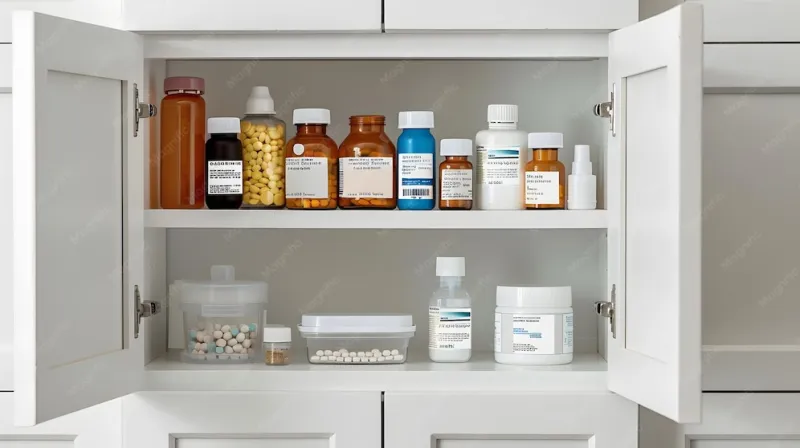
Photo: organized medicine cabinet with medications bottles and pill containers on clean shelf, via img.freepik.com
Spring cleaning rituals in American households tend to focus on closets, garages, and kitchen drawers. The medicine cabinet, however, is frequently overlooked — and it may be the most consequential space in your home when it comes to safety. A 2022 report from the American Association of Poison Control Centers noted that medications remain among the leading causes of poisoning exposure in the United States, with a significant proportion of incidents involving drugs that were improperly stored, accidentally accessed, or mistakenly identified.
As the seasons shift and households reorganize, a thorough medication audit is one of the highest-value safety tasks a family can undertake. The checklist below, informed by FDA guidance and standard pharmacy practice, walks you through the process step by step.
Step 1: Pull Everything Out and Assess What You Actually Have
Begin by removing every item from your medicine cabinet, bathroom shelf, kitchen drawer, nightstand, and any other location where medications or supplements are stored. Most households are surprised by what this exercise reveals — duplicate prescriptions, half-finished antibiotics from two years ago, vitamins purchased with good intentions and never opened.
Group items into four preliminary categories:
- Current prescriptions — medications you are actively taking
- OTC products — over-the-counter items like pain relievers, antacids, and allergy medications
- Supplements and vitamins — including herbals and homeopathic products
- Unknown or questionable items — anything without a legible label, unidentified pills, or products whose origin you cannot recall
Discard the fourth category immediately. Unidentified medications should never be taken, shared, or stored.
Step 2: Check Every Expiration Date — And Understand What It Actually Means
Expiration dates on medications are not arbitrary. They represent the manufacturer's guarantee of full potency and safety up to that point, based on stability testing conducted under controlled conditions. After that date, chemical degradation may have occurred — meaning the medication could be less effective, or in rare cases, potentially harmful.
Some medications degrade more rapidly than others and warrant particular attention:
- Liquid antibiotics (especially suspensions mixed for pediatric use) lose potency quickly and should generally be discarded within 10–14 days of preparation
- Nitroglycerin tablets for chest pain are highly sensitive to light, heat, and moisture, and may become ineffective within months of opening
- Insulin and biologics have strict refrigeration requirements and expiration timelines that must be followed precisely
- Epinephrine auto-injectors (EpiPens) should be replaced before expiration — a degraded epinephrine dose during an anaphylactic emergency is a life-threatening scenario
- Tetracycline antibiotics, while this risk is debated in modern formulations, have historically been associated with toxicity when degraded
As a general rule: when in doubt, dispose of it properly and contact PillsDrop or your prescribing physician to arrange a replacement if the medication is still needed.
Step 3: Identify and Correct Storage Mistakes
Here is one of the most counterintuitive facts in home medication management: the bathroom is one of the worst places to store most medications. Despite the ubiquity of the term "medicine cabinet" in American households, bathrooms expose medications to precisely the conditions that accelerate degradation — heat, humidity, and fluctuating temperatures from showers and baths.
Where Medications Should Be Stored
Ideal storage locations are cool, dry, and away from direct light. A bedroom dresser drawer, a dedicated shelf in a hall closet, or a lockable storage box in a low-traffic area are all preferable to a bathroom cabinet.
Medications requiring refrigeration — certain liquid antibiotics, some eye drops, biologics, and insulin — should be stored in the main body of the refrigerator, not the door, where temperature fluctuates most.
Medications that must never be frozen include some insulins, nitroglycerin, and certain liquid preparations. Always read storage instructions on the label carefully.
Child and Pet Safety
The CDC reports that two children in the United States visit emergency departments every hour due to medication poisoning, the majority of which occurs in the home. If children or pets are present in your household, all medications — including vitamins and supplements — must be stored in child-resistant containers and locked or placed entirely out of reach. Purses, nightstands, and low kitchen shelves are common access points that parents frequently underestimate.
Step 4: Dispose of Unused and Expired Medications Safely
Flushing medications down the toilet or tossing them in the trash are not appropriate disposal methods for most pharmaceuticals. Both practices contribute to environmental contamination — pharmaceutical compounds have been detected in US waterways at measurable concentrations — and improperly discarded medications remain accessible to children, pets, and individuals who might misuse them.
FDA-Approved Disposal Methods
Drug Take-Back Programs are the preferred disposal route. The DEA's National Prescription Drug Take-Back Day, held twice annually, provides thousands of collection sites across the country where any member of the public can drop off unused medications — no questions asked. Year-round collection kiosks are available at many retail pharmacies, hospitals, and law enforcement locations. The DEA's website maintains a searchable locator for authorized collection sites.
FDA Flush List Medications represent a narrow exception. A specific list of high-risk medications — primarily opioids, certain benzodiazepines, and other controlled substances with a high potential for misuse — may be flushed when no take-back option is immediately available. The FDA maintains and periodically updates this list at fda.gov. The rationale is that the risk of accidental ingestion or misuse outweighs the environmental concern for these particular drugs.
Household Trash Disposal is acceptable for most non-controlled medications when take-back options are unavailable, provided you follow FDA guidance: mix the medication with an undesirable substance (used coffee grounds, dirt, or kitty litter work well), seal the mixture in a bag or container, and remove or obscure all personal information from the original label before placing it in the trash.
Step 5: Reorganize With Safety and Accessibility in Mind
Once your audit is complete, take a few minutes to reorganize what remains with intention.
- Store medications you use daily in an accessible but secure location
- Keep a written or digital inventory of current prescriptions, including dosage and prescribing physician, in case of emergency
- Place a note in your calendar to repeat this audit in six months — or at each season change
- Confirm that all prescription labels are current and legible; contact PillsDrop if any labels are damaged or unclear
A Note on Prescription Audits and Drug Interactions
A medication audit is also an opportunity to review whether your current prescriptions remain appropriate. Drug interactions are a significant and underrecognized hazard, particularly for patients who see multiple specialists or have added OTC medications and supplements to their routines over time. Certain combinations — blood thinners with aspirin, some antibiotics with statins, specific herbal supplements with antidepressants — carry real clinical risk.
If your prescription list has grown or changed since your last comprehensive review, consider requesting a medication therapy management (MTM) consultation with a pharmacist. PillsDrop pharmacists are available to conduct these reviews and can identify potential interactions or redundancies that may warrant a conversation with your physician.
The Takeaway
A medicine cabinet audit requires no special tools and no medical expertise — just an hour, a trash bag, and a willingness to look critically at what has accumulated. The payoff is a safer home, more reliable medications, and a clearer picture of your household's pharmaceutical landscape.
If your audit reveals prescriptions that need to be refilled, replaced, or newly filled, PillsDrop is ready to help — delivering your medications directly to your door, properly packaged, and with pharmacist support available whenever you need it.